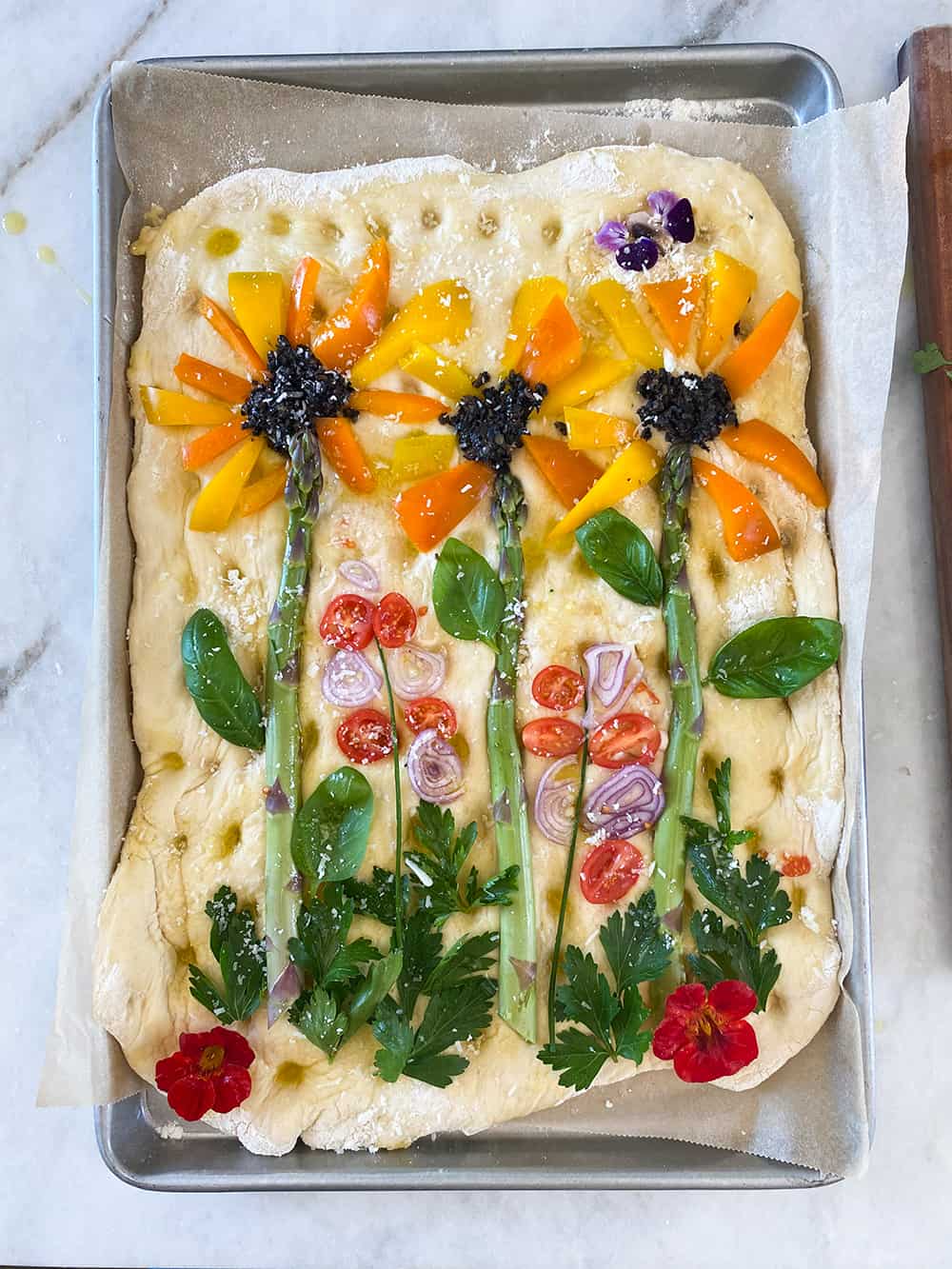
Focaccia Garden: Whimsical Bread Perfect for Gifting & Celebrations
In the culinary world, where visual appeal often rivals taste, few creations marry beauty and deliciousness as perfectly as the Focaccia Garden. This isn't just bread; it's an edible canvas, a miniature landscape of vibrant vegetables and aromatic herbs baked into a tender, olive oil-rich dough. What began as an Instagram phenomenon during the 2020 stay-at-home period has blossomed into a beloved tradition, transforming humble flour and yeast into breathtaking botanical masterpieces perfect for any occasion. Whether you're celebrating a loved one, hosting a special event, or simply want to bring a touch of whimsical artistry to your table, a Focaccia Garden is an unforgettable statement.
The charm of Focaccia Garden lies in its surprising simplicity and immense versatility. While the intricate designs might suggest a complex undertaking, the foundational focaccia itself is remarkably forgiving, requiring a blend of patience and a generous hand with good olive oil. It’s a delightful journey from dough to decorated masterpiece, inviting creativity at every step.
The Allure of Edible Art: From Rustic Loaves to Botanical Masterpieces
The concept of bread art isn't entirely new. In fact, many a culinary school graduate has sculpted hard, glossy, inedible dough into elaborate, if somewhat dated, centerpieces for gaudy buffets. The 80s might have given us lobster-shaped bread, but the modern era has redefined bread art with a focus on both aesthetics and flavor. The sourdough trend of 2020, with its meticulous starters and global flour shortages, undeniably sparked a renewed interest in home baking. From this flour-dusted crucible emerged a more accessible, playful form of bread artistry: the Focaccia Garden. Instagram feeds became galleries, showcasing stunning breadscapes that proved food could indeed taste as good as it looks.
But where does this tradition of decorating savory flatbreads truly originate? While contemporary Focaccia Gardens are a relatively recent phenomenon, the spirit of adorning bread with savory toppings echoes through culinary history. Consider the
pissaladière, a celebrated dish from Nice, France. Often described as a rustic onion tart or a form of pizza, it features a thick, bread-like dough generously topped with caramelized onions, anchovies, and olives. In its essence, the
pissaladiere the original focaccia garden, long before the term existed, showcased how a simple bread base could be elevated into a visually appealing and profoundly flavorful dish through artful arrangement of ingredients. This rich heritage reminds us that the instinct to decorate and personalize our food is as old as baking itself.
Unlike the often laborious sourdough, focaccia offers a more immediate gratification, typically requiring about 90 minutes of total proofing time. This accessibility, combined with the sheer joy of transforming a plain dough into a vibrant scene, has cemented its place as a favorite among home bakers. It’s a therapeutic activity, a creative outlet, and ultimately, a delicious reward. For more inspiration on this trending art form, explore
Focaccia Garden: The Edible Art Sensation Taking Over Instagram.
Mastering the Focaccia Base: Secrets to a Light, Airy Canvas
The foundation of any spectacular Focaccia Garden is, naturally, the focaccia itself. A light, airy, and deeply flavorful bread provides the perfect canvas for your botanical designs. While many recipes exist, a few key secrets elevate a good focaccia to an exceptional one.
*
Quality Ingredients are Paramount: Start with good bread flour. Some bakers, particularly when aiming for a focaccia perfect for sandwiches, like to cut their bread flour with a little 00 flour for an even more tender crumb. When it comes to yeast, either instant dry yeast (IDY) or fresh yeast will work. If you opt for fresh yeast, remember to double the amount specified in most dry yeast recipes.
*
Olive Oil is Your Gold: This is arguably the most crucial ingredient. Do not skimp on the olive oil – and ensure it's high-quality extra virgin. You’ll need a generous amount, often around two cups for a standard pan. Not only does it enrich the dough, but it also creates those characteristic dimples and crispy edges. Don't be afraid to really push that liquid gold into the crevices of the dough.
*
Patience in Proofing: This is where intuition and observation come into play. While focaccia is quicker than sourdough, proper proofing is non-negotiable. The true secret to my famed focaccia, passed down through years of practice, is watching for the *second rise in the pan*. The dough should visibly begin to curl up the sides of the pan and even onto the cling wrap covering it. This visual cue indicates it's perfectly proofed and ready for the oven. Trust this sign – rushing it will compromise the texture.
*
Dough Handling: Focaccia dough is surprisingly resilient. Once it's had its final proof, you can handle it relatively roughly, gently stretching it into your desired pan. Its elasticity allows it to conform beautifully.
The rich infusion of olive oil throughout the baking process results in a rustic, artisan-style bread that is utterly irresistible straight out of the oven.
Cultivating Your Focaccia Garden: Design & Topping Tips
Once your focaccia dough is proofed and ready, the fun truly begins: designing your edible garden. This is where your inner artist comes out, transforming simple vegetables and herbs into a vibrant landscape.
*
Plan Your Scene: Before placing anything on the dough, lay out your chosen herbs and cut vegetables on a piece of parchment paper. This allows you to experiment with your design, ensuring proper spacing and balance before committing to the dough. Think of it as sketching your garden.
*
Variety for Visual Impact and Flavor: Select a range of ingredients that offer both varied flavors and a beautiful spectrum of colors.
*
Herbs: Rosemary sprigs for evergreen trees, dill for delicate ferns, chives for tall grasses or flower stems, basil leaves for lush foliage.
*
Vegetables: Thinly sliced bell peppers (red, yellow, orange) for vibrant flowers, cherry tomato halves for berries or buds, thinly sliced red onion for intricate patterns or flower petals, olive slices for stones or soil, asparagus spears for tree trunks. Even thinly sliced zucchini or eggplant can add texture.
*
Flowers: Edible flowers like pansies or nasturtiums (if accessible and food-grade) can add an extra layer of elegance, though ensure they are indeed edible and unsprayed.
*
Thin Slicing is Key: Ensure all your vegetable toppings are sliced thin enough to roast well in the oven without burning or remaining raw. This is crucial for both taste and texture.
*
Strategic Placement: Use the natural dimples and contours of the dough to your advantage. Arrange longer items like rosemary sprigs to create "branches" or "trunks," then fill in with smaller elements. Consider depth and perspective in your design.
*
Flavor Profiles: While aesthetic is important, remember the flavor. Savory combinations like garlic, olives, and rosemary provide a traditional, rich flavor profile. However, feel free to experiment with sweet and savory elements if it suits your palate. The options are truly endless, limited only by your imagination! For more practical guidance on creating stunning bread art, check out
Bake a Beautiful Focaccia Garden: Easy Tips for Delicious Bread Art.
Perfect for Every Occasion: Gifting, Celebrations, and Family Fun
The Focaccia Garden isn't just a feast for the eyes and the palate; it's also incredibly versatile for various social settings and personal gestures. Its charm makes it an ideal choice for:
*
Thoughtful Gifting: Imagine presenting a pan of this beautifully decorated bread to a plant-lover, a busy new parent, or as a unique hostess gift. It’s a personalized, heartfelt way to say "I love you" or "thank you," far more memorable than a store-bought item. The herbs might even come straight from the recipient's garden if you're clever enough!
*
Special Occasions: Elevate any gathering with a Focaccia Garden. It makes a stunning centerpiece for a baby shower brunch, a bridal luncheon, a Mother's Day celebration, or a casual weekend brunch. It’s a sophisticated alternative to a traditional snack board, offering both sustenance and spectacle.
*
Family Fun: This is an excellent activity for kids. The focaccia dough is robust, and the decorating process is akin to a culinary craft project. Little hands can help arrange vegetable "flowers" and "leaves," fostering creativity and a love for homemade food. It's an engaging way to introduce children to cooking and healthy eating.
*
Everyday Delight: You don't need a grand occasion to enjoy a Focaccia Garden. It transforms a simple weeknight dinner into something special or makes for an elevated accompaniment to soups and salads.
The whimsical nature of Focaccia Garden makes it a talking point, inviting compliments and fostering a joyous atmosphere. It’s a testament to the idea that food can be both deeply comforting and wonderfully artistic.
In a world that often rushes us, the Focaccia Garden offers a moment to slow down, create something beautiful with our hands, and share it with those we cherish. From its historical nods to dishes like the
pissaldiere the original focaccia garden, to its modern-day social media sensation status, this whimsical bread embodies the joy of baking and the art of giving. So gather your freshest ingredients, embrace your inner artist, and prepare to bake a masterpiece that tastes as divine as it looks.