Imagine a vibrant canvas, not of paint, but of freshly baked bread. A masterpiece you can not only admire but also devour, brimming with the freshest herbs and colorful vegetables. This is the magic of the focaccia garden, a culinary trend that has swept through kitchens and social media feeds alike, transforming a simple Italian flatbread into an edible work of art. More than just a pretty picture, these decorative loaves promise a sensory delight that’s as breathtakingly beautiful as it is utterly delicious.
Bake a Beautiful Focaccia Garden: Easy Tips for Delicious Bread Art
The allure of the focaccia garden lies in its perfect blend of rustic charm and artistic expression. It’s an invitation to slow down, engage your creativity, and produce something truly special from scratch. Whether you're a seasoned baker or just beginning your culinary journey, the process of creating a focaccia garden is incredibly rewarding, culminating in a show-stopping centerpiece for any meal or celebration.
The Allure of Edible Art: From Ancient Flatbreads to Modern Masterpieces
The concept of "bread art" isn't new. For decades, culinary schools have taught elaborate, often inedible, bread sculptures for grand buffet displays. Think hard, glossy basket weaves and animal shapes – impressive but firmly rooted in a bygone era. However, the recent global resurgence in home baking, sparked by the 2020 stay-at-home period and the sourdough craze, led to a delightful evolution. Home bakers, equipped with newfound time and a craving for creativity, began to transform their dough into canvases, giving birth to the modern focaccia garden. This isn't about stiff, decorative pieces; it’s about food that embodies the adage: it should taste as good as it looks.
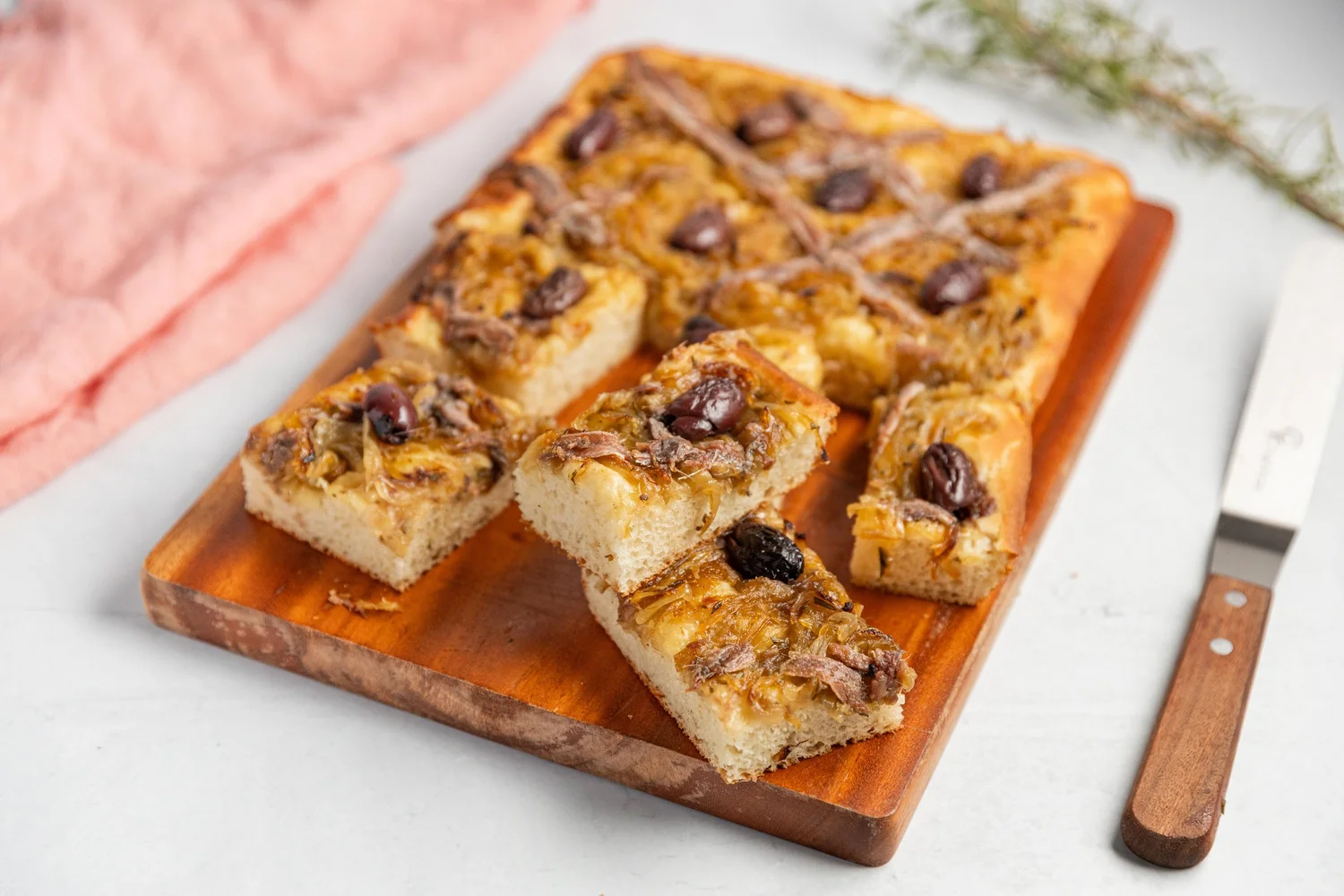
While today's focaccia gardens are a vibrant, whimsical trend, the concept of adorning savory bread with beautiful, flavorful toppings has deep historical roots. Indeed, one could argue that ancestral culinary creations, like the revered Mediterranean Pissaladière, represent an early, perhaps even the original focaccia garden. This savory tart from Nice, France, often adorned with caramelized onions, anchovies, and black olives on a bread-like base, demonstrates that the tradition of turning flatbreads into edible masterpieces is far from new. The Pissaladière, with its artful arrangement of ingredients, shares the spirit of celebrating both taste and visual appeal, echoing the philosophy that makes the modern focaccia garden so captivating. It reminds us that bread has long been a medium for both sustenance and artistic expression.
Crafting the Perfect Canvas: Mastering Your Focaccia Dough
Before you can cultivate your garden, you need a flawless foundation. The heart of any great focaccia garden is, of course, a truly exceptional focaccia. This light, airy, and impossibly delicious bread is surprisingly easy to master with a few key insights. Forget the labor-intensive kneading of other breads; focaccia thrives on patience and a generous hand with olive oil.
- Quality Ingredients Matter: While any bread flour can work, many bakers find that cutting it with a little 00 flour can create an even softer, more delicate crumb, perfect for sandwiches or a delightful whimsical bread perfect for gifting & celebrations. For yeast, instant dry yeast (IDY) is convenient and effective, but if you're lucky enough to find fresh yeast, double the amount specified in your recipe for an even richer flavor profile.
- The Golden Elixir: Olive Oil is Non-Negotiable: This is perhaps the most crucial "secret" to an unforgettable focaccia. Do not skimp on the olive oil! You'll need a generous amount – often around two cups for a standard pan. Not only does it infuse the dough with incredible flavor, but it also contributes to that signature crispy bottom and tender interior. Be brave: truly push that extra virgin golden liquid into the dimples and crevices of the dough. It will thank you.
- Patience is Key: The Second Rise is Everything: While many bread recipes focus on the initial bulk fermentation, the second rise, or proofing in the pan, is where focaccia truly comes alive. This is not a step to rush. Watch your dough closely: it should begin to bubble and curl up the sides of the pan, even climbing slightly onto the cling wrap if you're using it. This visual cue tells you it's fully proofed and ready for the oven. Trust your intuition and this sign; baking it prematurely will result in a denser, less airy loaf.
- Dough Handling: Surprisingly Resilient: Focaccia dough is remarkably forgiving. Don't be afraid to handle it, stretch it, and gently dimple it with your fingertips. It will mold into whatever pan you choose, gracefully accepting your artistic touch before baking.
Cultivating Your Edible Landscape: Design, Toppings & Inspiration
With your perfectly proofed focaccia acting as a blank canvas, the real fun begins: designing your edible garden. This is where your creativity truly shines, transforming simple ingredients into a stunning visual feast. For more inspiration on artistic designs, explore the Focaccia Garden: The Edible Art Sensation Taking Over Instagram.
Choosing Your Garden Elements: Flavor & Color
The best focaccia gardens marry vibrant aesthetics with delicious flavors. Think about both the visual impact and how the ingredients will taste once baked.
- Herbs for Foliage and Aroma: Rosemary, thyme sprigs, oregano leaves, thinly sliced chives, and flat-leaf parsley can create beautiful greenery and intense aromatics.
- Vegetables for Petals and Shapes: Thinly sliced bell peppers (red, yellow, orange for vibrant "petals"), halved cherry tomatoes (for tiny "berries" or "buds"), Kalamata or green olives (for dark accents or "stones"), thin rings of red onion, asparagus spears, and even capers can add structure and bursts of color. Remember, thinner slices roast more evenly.
- Aromatics for Depth: Thinly sliced garlic or finely minced garlic can be scattered throughout for a traditional savory focaccia flavor.
- Edible Flowers (Use with Caution): If you want to elevate the "garden" aspect, edible flowers like nasturtiums, pansies, or calendula petals can add delicate beauty. Always ensure they are organic and safe for consumption.
Designing Your Edible Masterpiece
The key to a truly beautiful focaccia garden is thoughtful arrangement. Many experienced bakers recommend laying out your cut pieces on a piece of parchment paper first to create your scene. This allows you to experiment with patterns, colors, and compositions before committing them to the delicate dough. Consider:
- Creating Scenes: Mimic floral bouquets, sprawling vines, abstract landscapes, or even simple geometric patterns.
- Color Palettes: Play with contrasting colors (e.g., green herbs against red tomatoes) or harmonious tones for a softer look.
- Texture: Combine smooth slices with leafy herbs for visual interest.
- How They Roast: Ensure all toppings are thinly sliced so they cook through and don't burn before the bread is done. Cherry tomatoes, for example, burst beautifully when halved.
Once your design is finalized on parchment, gently transfer it to your proofed dough. A final drizzle of olive oil over the toppings will help them crisp and meld beautifully into the focaccia as it bakes.
Beyond the Bake: Occasions, Enjoyment & Pro Tips
A focaccia garden isn't just a meal; it's an experience. It's an ideal dish for countless occasions, adding a touch of personalized elegance that's hard to beat.
- Thoughtful Gifting: What better way to say "I love you" or "thank you" than with a homemade, artfully crafted bread? It’s a perfect gift for Mother's Day, birthdays, or just to brighten someone's day.
- Special Celebrations: Elevate a baby shower, brunch spread, or garden party with a focaccia garden as a stunning centerpiece. Its vibrant appearance makes it a natural conversation starter.
- Kid-Friendly Fun: Involve the little ones! Decorating the focaccia with vegetables and herbs is a fantastic, hands-on activity that encourages creativity and helps picky eaters engage with healthy ingredients.
- Elevated Snack Board: Serve slices of your focaccia garden alongside cheeses, dips, and cured meats for a sophisticated twist on a traditional snack board.
Pro Tips for Your Focaccia Garden Journey:
- Pre-Design Your Garden: Laying out your vegetables and herbs on parchment paper first allows for easy adjustments before they touch the dough.
- Slice Thinly: Ensure all your vegetable toppings are sliced thinly enough to cook evenly and prevent them from burning while the focaccia bakes.
- Don't Be Shy with Olive Oil: Seriously, this is the golden rule. It’s essential for flavor, texture, and a beautiful golden crust.
- Trust the Process: Especially that second rise. It’s the secret to an airy, soft interior.
- Season Generously: A good sprinkle of flaky sea salt before baking will enhance all the flavors of your garden.
- Warm Proofing Spot: If your kitchen is cool, find a warm spot (like a slightly warm oven turned off) to encourage your dough to proof beautifully.
Creating a focaccia garden is a deeply satisfying culinary adventure that combines the joy of baking with the beauty of edible art. From the ancestral spirit of creations like pissaldiere the original focaccia garden to the vibrant, modern interpretations we see today, adorned flatbreads have a timeless appeal. It's a testament to the idea that food can nourish both the body and the soul. With these tips and a dash of creativity, you're ready to bake your own delicious, breathtaking masterpiece that will impress and delight everyone fortunate enough to share a slice.
